
- Picturesque valleys offer incredible views with skyhills and lasting memories
- The Geological Foundations of Skyhill Formation
- Differential Erosion and its Impact
- The Role of Skyhills in Biodiversity
- Specific Adaptations of Skyhill Flora and Fauna
- Skyhills and Human Culture: A Historical Perspective
- Skyhills in Mythology and Folklore
- Recreational Opportunities and Sustainable Tourism
- The Future of Skyhill Landscapes: Conservation and Adaptation
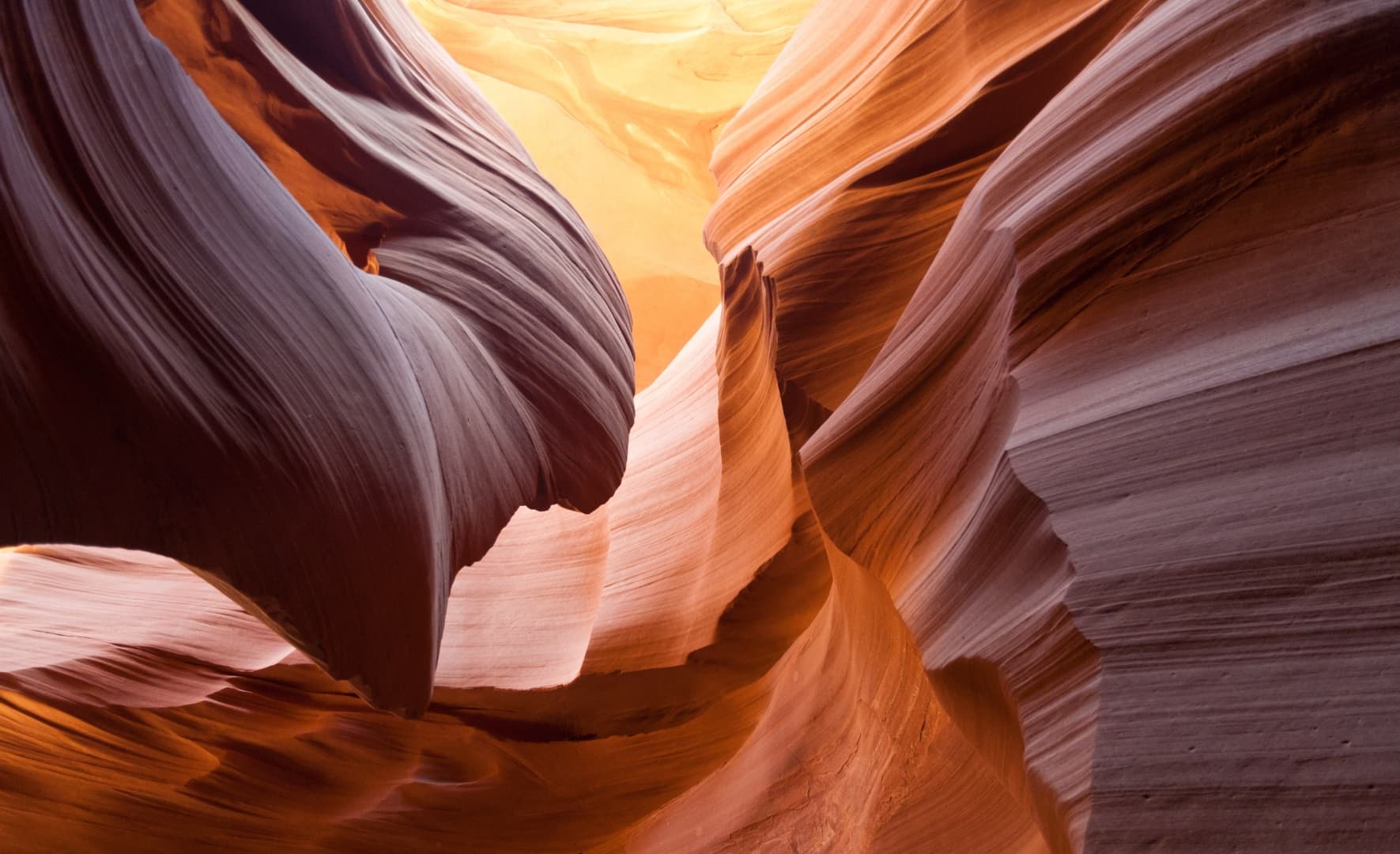
Picturesque valleys offer incredible views with skyhills and lasting memories
The allure of landscapes often lies in their dramatic shifts and subtle curves, the way the land rises and falls to meet the horizon. Among these captivating vistas, certain formations stand out, evoking a sense of wonder and timeless beauty. These are the areas known as skyhills, and they represent more than just geographic features; they embody serenity, challenge, and the enduring power of nature. Exploring these elevated terrains offers not only breathtaking views but also a unique perspective on the world around us, fostering a connection with the natural environment and a renewed appreciation for its majesty.
From gentle rolling slopes to rugged, imposing peaks, the character of skyhills varies greatly depending on geological history, climate, and erosion patterns. They provide habitats for diverse plant and animal life, offer opportunities for recreational activities like hiking and climbing, and frequently hold cultural significance for local communities. The simple act of standing atop a skyhill can be transformative, offering a moment of peace and a chance to reflect on the vastness of existence. These geographical formations remain a cornerstone of aesthetic beauty and a source of inspiration for artists, writers, and adventurers alike.
The Geological Foundations of Skyhill Formation
The creation of skyhills is a complex process, often spanning millions of years and involving a multitude of geological forces. Tectonic plate movements are a primary driver, leading to the uplift of landmasses and the formation of mountain ranges and elevated plateaus. Erosion, driven by wind, water, and ice, then sculpts these uplifted areas into the more defined shapes we recognize as skyhills. Different rock types also contribute to the varied landscapes seen across these terrains. Sedimentary rocks, for example, often form gentler slopes, while harder igneous and metamorphic rocks tend to create steeper, more dramatic profiles. The interplay between these forces determines the ultimate shape, size, and character of individual skyhills.
Differential Erosion and its Impact
Differential erosion plays a crucial role in shaping the unique features of skyhills. This process occurs when different rock layers erode at varying rates due to differences in composition, hardness, and resistance to weathering. Softer rock layers are worn away more quickly, leaving behind more resistant layers that form ridges, cliffs, and other prominent landforms. This creates the textured and layered appearance often observed in skyhill environments. Understanding differential erosion is essential for interpreting the geological history of a region and predicting how the landscape will continue to evolve over time. It's a persistent feature in regions where layered rock formations are common.
| Rock Type | Erosion Resistance | Typical Skyhill Feature |
|---|---|---|
| Granite | High | Steep, rugged peaks |
| Sandstone | Moderate | Rounded slopes, mesas |
| Shale | Low | Gentle slopes, valleys |
| Limestone | Moderate to High | Karst topography, caves |
The table above highlights how different rock compositions contribute to distinct characteristics in skyhill structures. Geologists study these formations to understand the history of the earth and the processes that have shaped its surface over millennia.
The Role of Skyhills in Biodiversity
Skyhills are vital ecosystems, providing habitat for a remarkable diversity of plant and animal life. The varying elevations and exposures create a range of microclimates, supporting species that might not otherwise thrive in the surrounding lowlands. Higher elevations often experience cooler temperatures and increased precipitation, fostering the growth of coniferous forests and alpine meadows. Lower slopes, meanwhile, may support grasslands or deciduous woodlands. The isolation of skyhills can also lead to the evolution of unique, endemic species found nowhere else on Earth. These locations are crucial for maintaining ecological balance and promoting biodiversity.
Specific Adaptations of Skyhill Flora and Fauna
The plant and animal life found on skyhills are often uniquely adapted to the challenging conditions. Plants may exhibit stunted growth forms to withstand strong winds or develop deep root systems to anchor themselves in rocky soils. Animals may possess thicker coats for insulation or specialized adaptations for climbing and navigating steep terrain. For instance, mountain goats are renowned for their incredible agility on rocky slopes, while certain wildflowers bloom only at high altitudes. These adaptations demonstrate the remarkable resilience and adaptability of life in the face of environmental challenges. The study of these unique species provides valuable insight into evolutionary processes.
- Skyhills act as ‘islands’ of habitat, promoting speciation.
- The diverse microclimates support a wider range of species.
- Endemic species are often found exclusively on skyhills.
- Skyhill ecosystems provide essential watershed services.
The significance of these ecosystems extends beyond simply supporting biological diversity. They also play a vital role in regulating water flow, preventing soil erosion, and providing aesthetic and recreational value.
Skyhills and Human Culture: A Historical Perspective
Throughout history, skyhills have held profound cultural significance for human societies. Often considered sacred places, they were believed to be the dwelling places of gods and spirits. Many ancient cultures constructed temples, shrines, and other ceremonial structures atop skyhills, using their elevated position to connect with the divine. These locations were frequently used for astronomical observations, religious rituals, and defensive purposes. The unique perspectives offered by skyhills also inspired artistic expression, appearing frequently in myths, legends, and works of art. This enduring connection between humans and skyhills reflects a deep-seated reverence for the natural world.
Skyhills in Mythology and Folklore
Across diverse cultures, skyhills feature prominently in mythology and folklore. They often represent journeys, trials, and spiritual ascensions. In Greek mythology, Mount Olympus was the home of the gods, a towering skyhill that symbolized power and authority. Similarly, in many Indigenous cultures, mountains are revered as sacred ancestors, embodying wisdom and strength. Stories and legends associated with skyhills often serve to explain natural phenomena, impart moral lessons, and reinforce cultural identity. Preserving these narratives is crucial for understanding the rich cultural heritage linked to these landscapes. They provide insights into belief systems and values of past civilizations.
- Many cultures attribute spiritual significance to skyhills.
- Skyhills are frequently used in religious ceremonies.
- They often appear in traditional storytelling and art.
- Skyhills have historically served as defensive strongholds.
The presence of these cultural remnants is a testament to the enduring appeal and significance of skyhills throughout human history.
Recreational Opportunities and Sustainable Tourism
Skyhills provide a wealth of recreational opportunities, attracting tourists and outdoor enthusiasts from around the globe. Hiking, climbing, mountain biking, and skiing are popular activities, offering a chance to experience the beauty and challenge of these landscapes firsthand. The development of sustainable tourism practices is crucial for ensuring that these areas are preserved for future generations. This involves minimizing environmental impact, supporting local communities, and promoting responsible behavior among visitors. Striking a balance between economic development and environmental protection is essential for the long-term sustainability of skyhill tourism.
Careful planning and responsible management, including controlled access, trail maintenance, and waste management, are critical for mitigating the negative impacts of tourism. Investing in local infrastructure and providing educational resources for visitors can also contribute to sustainable practices. Empowering local communities to benefit from tourism while protecting their cultural and natural heritage is a key principle of responsible tourism development.
The Future of Skyhill Landscapes: Conservation and Adaptation
The future of skyhill landscapes faces increasing challenges, including climate change, habitat loss, and unsustainable development. Rising temperatures are causing glaciers to melt, shifting vegetation zones, and increasing the risk of wildfires. Human activities, such as deforestation and urbanization, are fragmenting habitats and reducing biodiversity. Protecting these valuable ecosystems requires a concerted effort involving governments, conservation organizations, and local communities. Implementing effective conservation strategies, promoting sustainable land use practices, and raising awareness about the importance of skyhill ecosystems are crucial steps towards ensuring their long-term survival.
Adapting to the impacts of climate change will also be essential. This may involve restoring degraded ecosystems, creating wildlife corridors to allow species to migrate, and developing early warning systems for natural disasters. Investing in research and monitoring programs will help us better understand the complex dynamics of skyhill ecosystems and inform effective conservation strategies. The preservation of these landscapes is not merely an environmental imperative; it is also a cultural and economic one, as they provide essential ecosystem services and contribute to the well-being of communities around the world. Protecting the unique beauty and ecological integrity of these areas will require collaboration, innovation, and a long-term commitment to sustainability.

Related Posts
Výhody a možnosti 21 bet casino s moderními hrami a bezpečným hraním online pro české hráče
Ekscytująca gra plinko kasyno i możliwości wygranych czekają na każdego fana hazardu online